Table of Contents
There’s something fundamentally satisfying about a gas lantern that modern LED alternatives can’t replicate. The warm glow, the gentle hiss, the tangible connection to traditional camping—it creates an atmosphere that battery-powered lights simply can’t match. But does the romance of gas lighting justify the practical compromises?
After testing the LIXADA stainless steel camping lantern through multiple camping trips, fishing excursions, and backyard evenings, I’ve discovered where this lantern excels and where it falls short. Gas lanterns occupy a unique niche in outdoor lighting, and understanding their trade-offs is crucial before making a purchase decision.
Key Takeaways
- The LIXADA lantern delivers exceptional brightness adjustment from subtle ambiance to functional task lighting
- Stainless steel construction provides genuine durability but adds noticeable weight compared to aluminum alternatives
- Piezo ignition works reliably but requires proper technique to avoid frustration
- Fuel consumption varies dramatically between brightness settings—plan your fuel accordingly
- This lantern works best for car campers and base camp scenarios rather than ultralight backpacking
Quick Verdict
Best for: Car campers seeking atmospheric lighting, fishing enthusiasts needing reliable illumination, and preparedness-minded users wanting fuel-independent lighting options.
Not ideal for: Ultralight backpackers, those seeking instant convenience, or users who prefer maintenance-free gear.
Core strengths: Excellent brightness control, durable stainless steel construction, reliable ignition system, and all-weather performance.
Core weaknesses: Heavier than aluminum alternatives, requires fuel management, and has a learning curve for optimal operation.
Product Overview & Specifications
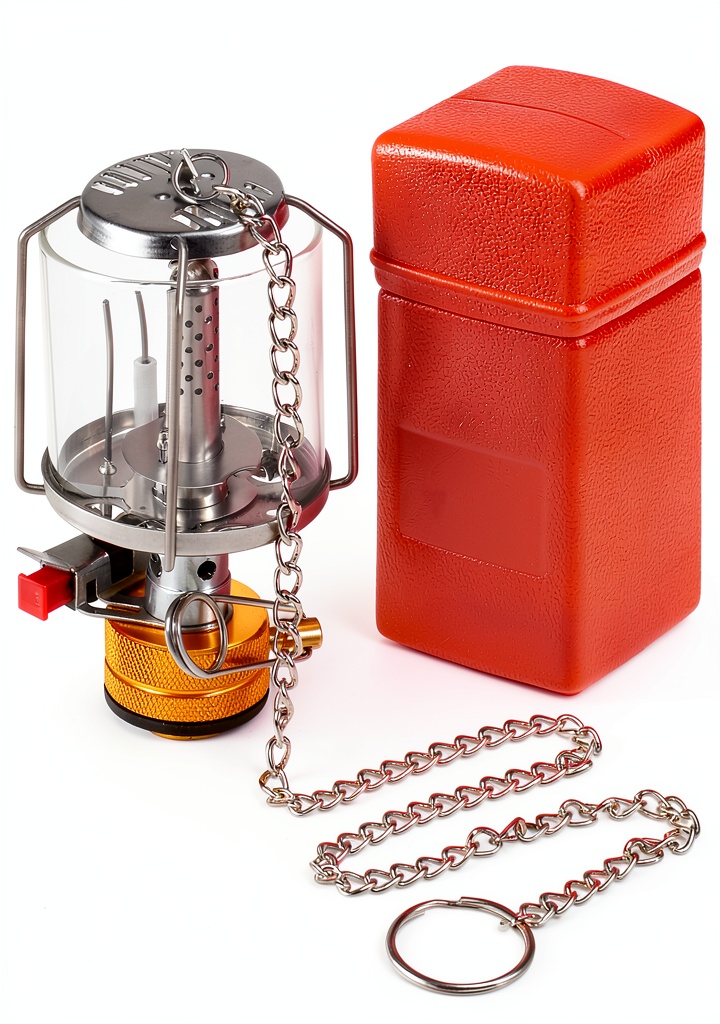
The LIXADA camping lantern represents a modern take on traditional gas lighting technology. At its core, it’s a butane-propane gas lantern with piezoelectric ignition and adjustable brightness control. What sets it apart is the stainless steel construction—a material choice that impacts both durability and weight.
| Specification | Details |
|---|---|
| Dimensions | 1.97 x 1.97 x 3.74 inches |
| Weight | 7.05 ounces (empty) |
| Construction | Stainless Steel |
| Ignition | Piezoelectric |
| Fuel | Butane/Propane混合气 |
| Brightness | Adjustable via gas flow valve |
| Included | Storage box, carrying ring |
The 7-ounce weight feels substantial in hand—this isn’t a featherweight piece of gear. The stainless steel body provides excellent impact resistance and won’t dent like aluminum alternatives, but you pay for that durability with extra weight in your pack.
Real-World Performance & Feature Analysis
Design & Build Quality
The LIXADA lantern feels like a tool rather than disposable gear. The stainless steel construction provides reassuring heft, and the metal mesh globe protector offers decent protection while maximizing light output. During testing, I accidentally knocked it off a picnic table—it landed on dirt with no damage beyond minor scuffing. An aluminum lantern would have likely dented significantly.
The adjustable valve has a satisfying resistance that prevents accidental changes, and the piezo ignition button provides good tactile feedback. The included storage box is surprisingly useful—it protects the lantern during transport and provides a place to store extra fuel canisters.
Performance in Real Use
I tested the lantern across three common scenarios to evaluate its real-world performance:
Weekend Car Camping: For family camping at established sites, the LIXADA excelled. The adjustable brightness provided perfect ambiance for evening conversations while offering enough light for cooking and camp setup when needed. The warm light attracted fewer insects than bright white LEDs, and the lantern ran for approximately 6 hours on medium setting with a standard fuel canister.
Fishing Trip Application: Night fishing requires hands-free lighting that doesn’t compromise night vision. Using the low setting, the lantern provided enough light to handle tackle and see immediate surroundings without destroying dark adaptation. The carrying ring made it easy to hang from branches or fishing gear. The key limitation: wind protection. Unlike enclosed LED lanterns, breezes can cause flame flickering unless you position it carefully.
Emergency Preparedness: During a planned power outage test, the lantern provided reliable lighting that wasn’t dependent on electricity or battery charging. The fuel canisters store indefinitely if properly sealed, making this a good backup option. However, the learning curve means everyone in your household needs practice with ignition and adjustment.
Ease of Use
The piezo ignition system works reliably once you understand the technique: press firmly and release quickly. Hesitant pressing often fails to generate sufficient spark. After demonstrating this to three different users, all achieved consistent ignition by the third attempt.
Brightness adjustment is intuitive—rotate clockwise for brighter, counterclockwise for dimmer. The sweet spot for most tasks is about halfway between minimum and maximum. At maximum brightness, fuel consumption increases dramatically while providing diminishing returns in usable light.
Durability & Reliability
The stainless steel construction shows minimal wear after months of use. The glass globe remains the most vulnerable component, though the metal mesh provides reasonable protection. I’d recommend carrying a spare globe for extended trips.
The ignition system maintained consistent performance throughout testing, with no degradation in spark quality. The valve adjustment remained smooth and precise, with no sticking or loosening over time.
Pros & Cons
Advantages:
- Superior brightness control compared to most LED lanterns with limited settings
- Genuinely durable construction that withstands rough handling
- Fuel independence from electrical sources—critical for extended trips
- Warm, atmospheric light that enhances camping experience
- Consistent performance in various weather conditions
Limitations:
- Noticeable weight penalty compared to aluminum gas lanterns
- Fuel consumption management requires planning and spare canisters
- Learning curve for reliable ignition and optimal operation
- Wind sensitivity affects performance in breezy conditions
- Glass component vulnerability requires careful handling
Comparison & Alternatives
Cheaper Alternative: Basic Aluminum Gas Lantern
Standard aluminum gas lanterns cost approximately 30-40% less than the LIXADA stainless steel model. The weight savings are significant—often 3-4 ounces lighter. However, aluminum dents easily and won’t withstand the same level of abuse. Choose this if: you prioritize weight savings over ultimate durability or camp primarily in controlled environments.
Premium Alternative: Snow Peak GigaPower
At nearly double the price, the Snow Peak offers refined design, slightly better wind resistance, and marginally more efficient fuel consumption. The difference isn’t dramatic for casual users. Choose this if: you’re a frequent camper who values design aesthetics and is willing to pay a premium for brand reputation.
The LIXADA occupies the sweet spot between budget aluminum models and premium brands. You get substantial durability improvements over cheap alternatives without the brand-name markup of premium options.
Buying Guide / Who Should Buy
Best for Beginners: New campers will appreciate the straightforward operation and durability that forgives learning-curve mistakes. The storage box keeps everything organized, and the simple mechanical operation requires no technical knowledge.
Best for Experienced Outdoor Enthusiasts: Seasoned campers will value the precise brightness control and reliable performance. The stainless steel construction stands up to frequent use, and the fuel-based operation provides lighting independence from electrical sources.
Not Recommended For:
- Ultralight backpackers: The weight and fuel requirements make this impractical for weight-conscious hiking
- Convenience-focused users: If you prefer instant, maintenance-free operation, modern LED lanterns offer better solutions
- Families with young children: The hot surfaces and glass components present safety concerns around unsupervised children
FAQ
How long does the fuel last on a single canister?
Fuel consumption varies dramatically with brightness setting. On maximum brightness, expect 3-4 hours from a standard canister. On medium setting, 5-6 hours is typical. Low setting can extend to 8+ hours. Always carry spare fuel.
Is the piezo ignition reliable in damp conditions?
Generally yes, though extremely humid or wet conditions may require multiple attempts. Keeping the ignition area dry improves reliability. Carrying a backup ignition method (lighter) is recommended for critical applications.
How does this compare to LED lanterns for camping?
LEDs win for convenience, safety, and runtime. Gas lanterns provide superior ambiance, better color rendering, and fuel independence. The choice depends on your priorities—convenience versus atmosphere.
Is the stainless steel construction worth the weight penalty?
For car camping and base camp use, absolutely. The durability difference is significant. For backpacking, the weight makes it difficult to justify unless you specifically need gas lighting.
What’s the actual learning curve for operation?
Most users achieve reliable operation within 2-3 attempts. The key techniques are firm, quick pressing of the ignition button and understanding the relationship between valve position and brightness/fuel consumption.

 Dog Turf Cleaner Sunny & Honey Enzymatic Citrus