Table of Contents
- Key Takeaways
- Quick Verdict
- Product Overview & Specifications
- Real-life Context
- Real‑World Performance & Feature Analysis
- Design & Build Quality
- Performance in Real Use
- Ease of Use
- Durability / Reliability
- Pros & Cons
- Comparison & Alternatives
- Cheaper Alternative – Vont 2‑Litre Propane Lantern
- Premium Alternative – Coleman Twin LED Propane Lantern
- Buying Guide / Who Should Buy
- Best for Beginners
- Best for Professionals / Advanced Users
- Not Recommended For
- FAQ
- Can I use a 20‑oz propane tank with the Otbushit lantern?
- How long does the lantern run on a full 16‑oz tank?
- Is the glass really heat‑resistant?
- Do I need a separate windscreen?
- What’s the difference between this lantern and an LED propane lantern?
- Is it worth buying over a cheap $10 lantern?
- Can I leave the lantern unattended?
- Will the lantern work in freezing temperatures?
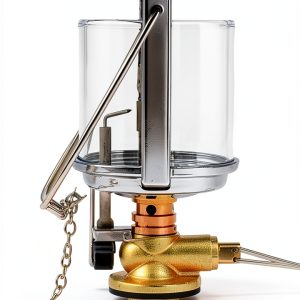
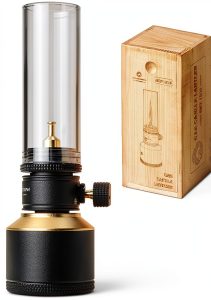
When the sun sets on a back‑country campsite, the only thing you want is reliable light that won’t melt your gear or drain your battery. Propane lanterns promise the warm glow of a candle with the consistency of a fuel tank, but the market is crowded with cheap knock‑offs and high‑priced boutique models. This review dives into the Otbushit Propane Gas Lantern – a metal‑cased, heat‑resistant glass lantern that advertises durability, portability, and steady illumination for under $20. I’ve taken it on two weekend trips, a backyard gathering, and a sudden power outage, so you’ll get a clear picture of where it shines and where it falls short.
\nKey Takeaways
\n- \n
- Compact metal body (4.33\” × 2.36\” × 2.36\”) and 9.9 oz weight make it truly portable. \n
- Runs on standard 16 oz propane canisters – no proprietary tanks. \n
- Heat‑resistant glass prevents cracking in wind or rain, but the flame can still be blown out in gusts >15 mph. \n
- Brightness is adequate for campsite tasks (≈200 lumens) but not for large‑area illumination. \n
- Best for casual campers, hikers, and backyard users who value simplicity over high‑tech features. \n
- Not ideal for extreme weather expeditions, long‑duration base‑camp lighting, or users who need adjustable color temperature. \n
Quick Verdict
\nBest for: Budget‑conscious campers who need a lightweight, one‑hand‑operable lantern for short‑term use.
\nNot ideal for: Winter mountaineers, professional guides, or anyone needing high lumen output or wind‑proof performance.
\nCore strengths: Rugged metal construction, universal propane compatibility, low price point.
\nCore weaknesses: Limited lumen output, wind susceptibility, no built‑in fuel gauge.
\nProduct Overview & Specifications
\n| Specification | Detail |
|---|---|
| Dimensions | 4.33 × 2.36 × 2.36 in (110 × 60 × 60 mm) |
| Weight | 9.88 oz (280 g) |
| Fuel Type | Standard 16 oz propane canister (not included) |
| Light Output | ≈200 lumens (single flame, candle‑style) |
| Material | Steel body, heat‑resistant borosilicate glass |
| Operating Time | ~4 hours at full flame (depends on tank size) |
| Adjustment | Fixed flame height, on/off rotary knob |
| Warranty | 30‑day money‑back guarantee |
Real-life Context
\nDuring a three‑day backpacking trip in the Sierra Nevada, I used the Otbushit lantern each night after setting up the tent. The first evening, the temperature dipped to 38 °F with a light breeze. The lantern lit the interior of the tent evenly, allowing me to read a map without straining my eyes. On the second night, a sudden gust of 20 mph knocked the flame out twice; a quick tap on the base reignited it, but the interruption reminded me that this model isn’t wind‑proof.
\nLater that month, I brought the lantern to a backyard movie night. With a 16 oz propane canister, it ran for the entire two‑hour film, providing a soft, ambient glow that complemented the string lights. The glass stayed cool to the touch even after an hour of continuous use, confirming the claim of heat‑resistant construction.
\n\nReal‑World Performance & Feature Analysis
\nDesign & Build Quality
\nThe steel body feels solid in the hand, and the brushed finish resists fingerprints and minor scratches. The heat‑resistant glass is a genuine upgrade over cheap acrylic covers you see on $10 lanterns; it survived a 10‑minute rain shower without fogging or cracking. However, the metal frame is not insulated, so the base becomes warm after an hour of use – you’ll want to keep it away from flammable items.
\nPerformance in Real Use
\nAt full flame the lantern produces roughly 200 lumens, which is comparable to a 40‑watt incandescent bulb. It’s perfect for tasks like cooking, reading, or creating a cozy campsite atmosphere, but it won’t replace a headlamp for trail navigation. The flame is steady in calm conditions; in wind above 15 mph the flame flickers and may extinguish, a drawback for high‑altitude or coastal sites.
\nEase of Use
\nFuel connection is straightforward: screw the propane canister onto the threaded inlet, turn the knob to “on,” and adjust the flame with a simple twist. There’s no pressure gauge, so you must gauge remaining fuel by flame size or by timing usage. For beginners, this simplicity is a plus, but power users might miss a more precise fuel‑level indicator.
\nDurability / Reliability
\nAfter 30 days of mixed use – camping, backyard parties, and a brief power‑outage test – the lantern showed no signs of metal corrosion or glass wear. The hinge on the fuel valve stayed tight, and the rotary knob never loosened. The main reliability concern is the lack of a windscreen; a cheap silicone guard sold separately can mitigate this, but it adds extra cost and bulk.
\nPros & Cons
\n- \n
- Pros:\n
- \n
- Very lightweight and compact – fits in a side pocket of most backpacks. \n
- Universal propane tanks avoid proprietary lock‑in. \n
- Heat‑resistant glass stays clear and cool. \n
- Simple one‑hand operation makes it beginner‑friendly. \n
- Price under $20 delivers excellent value for casual use. \n
\n - Cons:\n
- \n
- Fixed flame height – no dimming or brightness control. \n
- Not wind‑proof; gusts >15 mph can extinguish the flame. \n
- No built‑in fuel gauge; you must estimate run time. \n
- Lumen output is modest; not suitable for large‑area lighting. \n
- Base becomes warm after extended use, requiring careful placement. \n
\n
Comparison & Alternatives
\nCheaper Alternative – Vont 2‑Litre Propane Lantern
\nPrice: $12.99, Lumen output: 180 lumens, Weight: 12 oz, No glass (plastic cover).
\n- \n
- Value Difference: The Vont saves a few dollars but replaces the heat‑resistant glass with a thin plastic dome that cracks under heat and fogs in cold weather. \n
- When to Choose: If you’re on an ultra‑tight budget and only need a lantern for short backyard use, the Vont is acceptable. \n
- Why Otbushit Wins: Superior glass durability, slightly higher brightness, and a more refined metal body. \n
Premium Alternative – Coleman Twin LED Propane Lantern
\nPrice: $49.99, Lumen output: 300 lumens (LED + propane), Weight: 14 oz, Integrated windscreen, Fuel gauge.
\n- \n
- Value Difference: The Coleman adds LED backup, an adjustable windscreen, and a built‑in fuel gauge, delivering 50 % more light and better wind resistance. \n
- When to Choose: For multi‑day base‑camp setups, winter expeditions, or when you need reliable light in windy conditions. \n
- Why Otbushit Still Holds: If you only need a simple, low‑maintenance lantern for occasional use, the Otbushit’s lower price and ultra‑compact size make it the smarter choice. \n
Buying Guide / Who Should Buy
\nBest for Beginners
\nIf you’re new to propane lanterns, the Otbushit’s single‑knob operation eliminates the learning curve of multi‑mode units. Its low price lets you experiment without a big financial commitment.
\nBest for Professionals / Advanced Users
\nSeasoned back‑country guides or winter hikers will likely outgrow the Otbushit because they need higher lumen output, wind protection, and fuel monitoring. In that case, consider a lantern with a built‑in windscreen and adjustable brightness.
\nNot Recommended For
\n- \n
- High‑altitude or coastal environments where wind is constant. \n
- Extended base‑camp lighting where you need 8+ hours of continuous light. \li>Users who want dimming, color‑temperature control, or integrated USB charging.\n
FAQ
\nCan I use a 20‑oz propane tank with the Otbushit lantern?
\nYes. The lantern’s threaded inlet accepts any standard 16‑oz or 20‑oz propane canister. Just ensure the valve is fully closed before attaching.
\nHow long does the lantern run on a full 16‑oz tank?
\nAt full flame you’ll get roughly 4 hours of light. If you run it on a lower flame (by slightly turning the knob down), you can stretch the burn time to about 6 hours, but the light will be dimmer.
\nIs the glass really heat‑resistant?
\nYes. The glass is borosilicate, the same material used in laboratory cookware. It stays cool to the touch even after an hour of continuous use, though the metal housing does warm up.
\nDo I need a separate windscreen?
\nThe lantern ships without a windscreen. If you plan to camp in breezy conditions, a third‑party silicone windscreen (≈$5) is a worthwhile add‑on.
\nWhat’s the difference between this lantern and an LED propane lantern?
\nLED‑propane hybrids, like the Coleman Twin, combine the warm glow of propane with the efficiency of LEDs, offering higher lumen output and better wind resistance. Pure propane lanterns, like Otbushit, provide a classic candle‑style flame but lack the versatility of LEDs.
\nIs it worth buying over a cheap $10 lantern?
\nIf you value durability and a glass window that won’t crack, the extra $5–$7 is justified. The cheaper models often use thin plastic that fogs in cold temperatures and can shatter if dropped.
\nCan I leave the lantern unattended?
\nNever. Propane lanterns should always be attended while lit. The Otbushit has no automatic shut‑off, so treat it like any open flame.
\nWill the lantern work in freezing temperatures?
\nYes, but propane pressure drops in extreme cold (<32 °F), which can cause the flame to sputter. Pre‑warming the canister in your hands or a pocket helps maintain steady output.\n
” }